MVNO Phone Plans: The $1,020-a-Year Switch, in Numbers
A family of three on a major carrier's premium unlimited plan pays about $160 a month. The same three lines on an MVNO run about $75 — with real trade-offs you can test before committing.
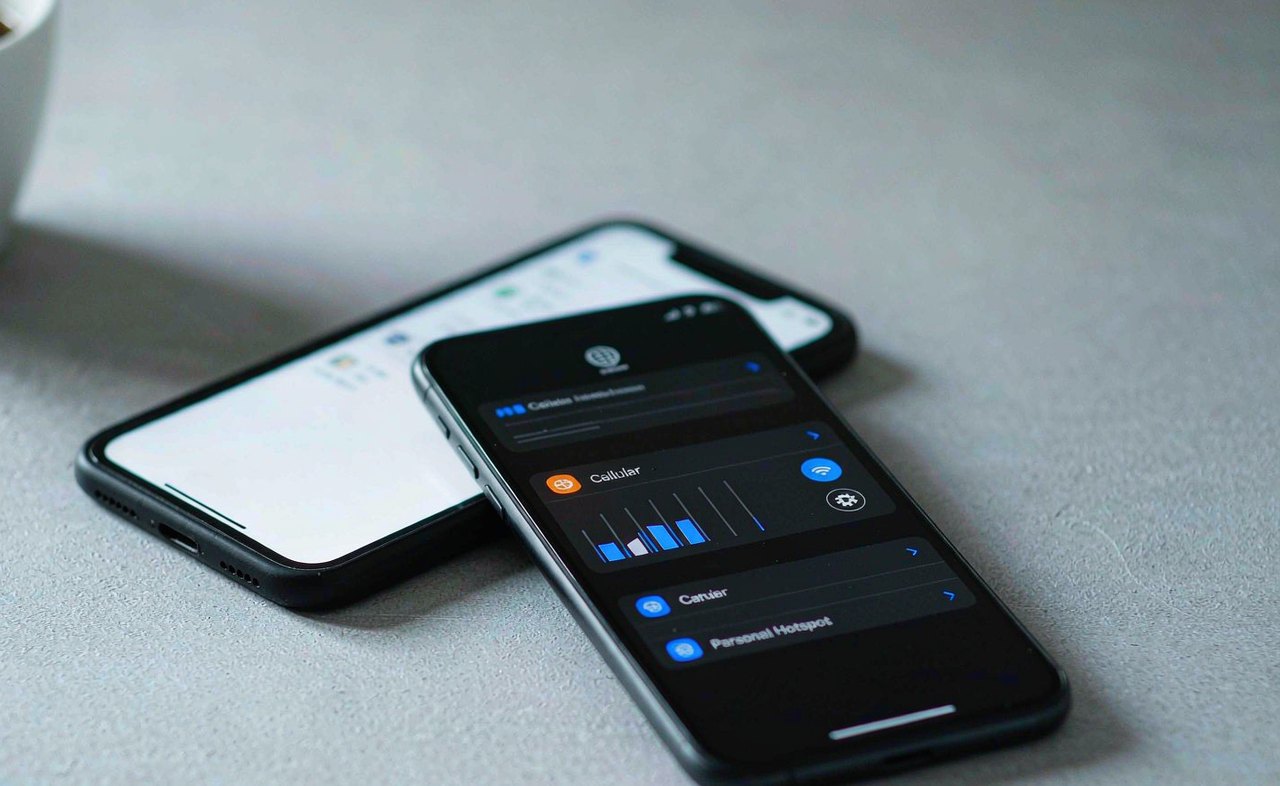
The phone bill is the stickiest recurring charge most households carry: the plan quietly ratchets up with each "premium" upgrade, and nobody re-shops it because switching providers sounds like a project. It is roughly a one-evening project. This article runs the numbers on switching to an MVNO, then walks through exactly what you give up — because the trade-offs are real, and you should test them before porting anything.
What an MVNO actually is
MVNO stands for Mobile Virtual Network Operator. It is a company that buys wholesale capacity on the major networks and resells it under its own brand. Your phone connects to the same towers as the person next to you paying twice as much. The discount exists because the MVNO does not build or maintain the network, does not subsidize flagship phones, and does not run stadium-sized advertising campaigns. The network experience is identical right up until the towers get crowded — more on that below, because it is the one difference that matters.
The worked example
Take a family of three on a major carrier's top-tier unlimited plan: three lines with autopay and every discount applied lands around $160/month, before taxes and device-promotion strings. The equivalent MVNO service — unlimited talk and text with a realistic data allowance — runs about $25 per line, and several MVNOs include taxes in that sticker.
- Monthly saving: $160 − $75 = $85
- Yearly saving: $1,020
- Over four years: $4,080 — and if that monthly difference were invested instead, at a 4% APY savings rate it grows to about $4,431 ($4,080 principal plus $351 of interest).
Single person? A premium carrier line at $85/month versus a $25 MVNO plan saves $60/month — $720/year, $3,600 over five years. Nothing else in the budget offers a four-figure annual saving with a two-week trial period and no contract.
The five real trade-offs
- Deprioritization. This is the big one. When a tower is congested, the carrier serves its own customers first and queues MVNO traffic behind them. At home and on your normal commute you will likely never notice. In a packed stadium, downtown on a Saturday, or during a network outage, MVNO data may crawl while the carrier's own customers stay fine. Voice and texting are generally unaffected.
- Data and hotspot caps. Many $25-class plans include 5–30 GB of full-speed data, then throttle. Hotspot use is often capped separately, at maybe 5–10 GB. If you work from a laptop on LTE every day, price the plan tier that actually fits.
- Perks disappear. Streaming-service bundles, international roaming, and airport Wi-Fi passes are carrier-loss-leader territory. On an MVNO, international data is usually pay-per-MB or absent — buy an eSIM travel plan instead and it still comes out ahead.
- No device financing. MVNOs are bring-your-own-device. If you trade in a phone every two or three years against carrier installment credit, your effective carrier price is lower than the sticker and the math changes. If you keep phones four-plus years — the cheaper habit anyway — the MVNO wins outright.
- Fee transparency varies. Some MVNOs include taxes and regulatory fees in the advertised price; major carriers' ads almost never do. Compare billed totals, not headlines.
The pre-switch checklist
Five minutes of checking prevents the two classic mistakes:
- Unlock check: the phone must be unlocked by your current carrier. Paid-off phones are usually eligible on request; financed ones often are not.
- IMEI compatibility: every MVNO runs a checker on its website — paste your IMEI before paying for anything.
- Network identity: find out which major network the MVNO rides and look at that network's map for your commute, not the country's.
- eSIM speed: most MVNOs activate by eSIM in minutes; a physical SIM ships in a few days.
- Autopay strings: some MVNOs reserve the best price for specific payment methods. Know which card earns the discount.
Test before you port
The safe sequence costs almost nothing: most MVNOs sell a cheap trial eSIM, or you can buy one month of service and run it alongside your main line. Use it on your commute, at home, and at the one crowded venue you actually attend. Only after the trial passes should you port your number — and never cancel the old line first, because cancelling before the port completes can forfeit the number. Expect one month of overlapping bills; the first-year savings still exceed $900 even paying both in the transition month.
Why the big-carrier bill reached $160 in the first place
Worth understanding, because it explains why the bill never shrinks on its own. Carriers price per line, then discount the bundle: the headline is a single line, the family plan quietly re-adds it. Autopay discounts apply only to specific payment methods. "Premium" tiers are priced for perks — streaming bundles, hotspot allotments, travel passes — that a household that streams at home and travels once a year mostly never touches. And the device promotion is a loan in disguise: the discount arrives as bill credits spread over 36 months, which means switching carriers mid-stream forfeits the remaining credits and the unpaid balance lands on your final bill. Check that balance before running any port request.
Reading an MVNO plan page in sixty seconds
Plan pages hide the differences in the fine print. Five lines decide whether a plan fits:
- Full-speed data before throttling — the number that matters most. 5 GB and 30 GB are both marketed as "high-speed," and they are not similar plans.
- The throttle floor — what speed you drop to after the cap. Throttled-to-256 kbps makes maps and messaging work but nothing else; throttled-to-1.5 Mbps is still usable daily life. Same "unlimited" label, different products.
- Video cap — some plans cap streaming resolution at 480p. Fine on a phone screen; know before you pay for 1080p you will not get.
- Hotspot bucket — separate from phone data, often 5–10 GB, sometimes zero.
- Taxes included or not — the difference between $25 and a $25-plus-fees bill.
What the $85 is worth if you actually keep it
A saved bill only counts if the money moves somewhere real. Ten years of $85/month is $10,200 of principal. Left in a 4% APY high-yield account it becomes about $12,558; invested monthly in a broad index fund at a historical-average 7% — a long-run figure, not a promise — about $14,798. That is one phone plan. The subscription audit in the subscription article typically finds another bill or two in the same range, which is how six figures of retirement money hide inside monthly fixed costs. Automate the transfer the day the new plan activates, or the savings will dissolve into the checking account.
This is the same philosophy as cutting subscriptions without losing what you use: audit the recurring charges you stopped seeing, keep the service, drop the premium you forgot you were paying. Then route the recovered $85 somewhere visible — the monthly fixed-costs section of a budget built for real life, or straight into the numbers on the calculators page to see what a decade of it compounds into.

