Your Emergency Fund: How Much Is Actually Enough?
Three to six months of expenses is the standard answer. For most people it is either the wrong number or the right number for the wrong reason. Here is how to size it properly.
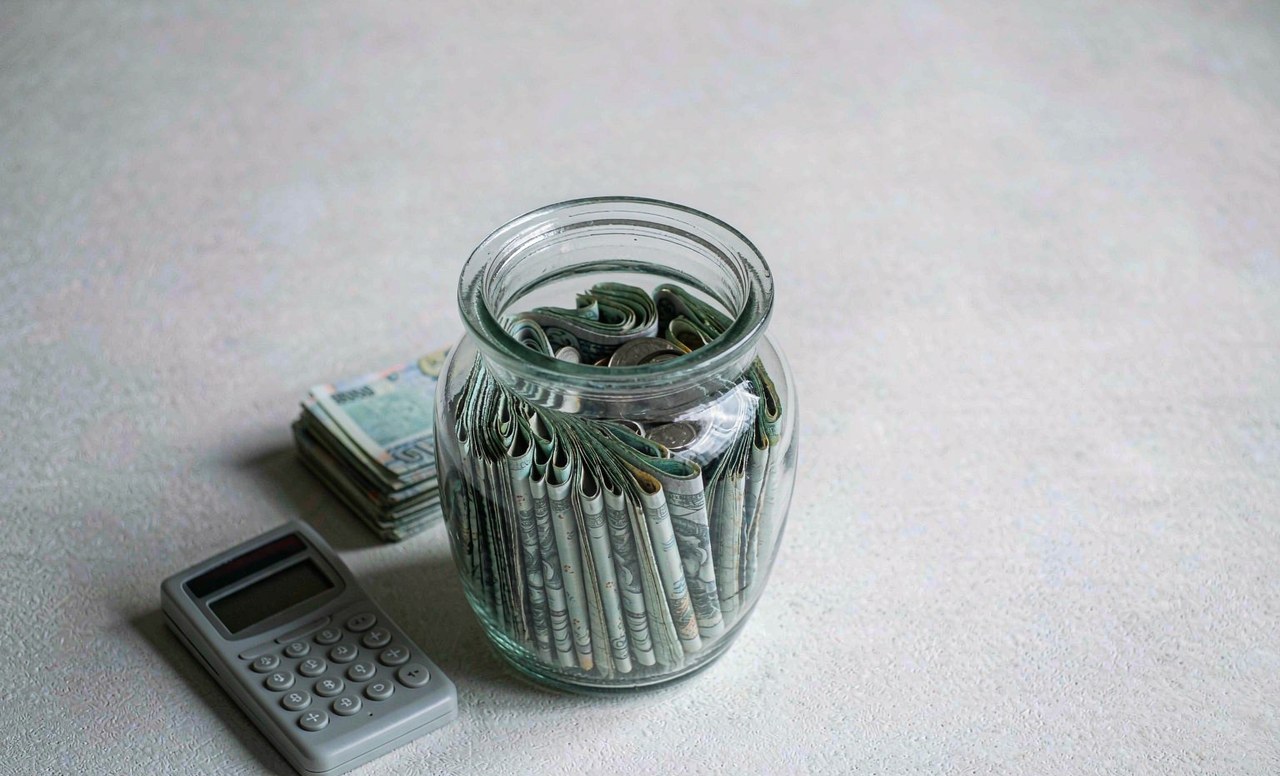
"Three to six months of expenses" is repeated so often that it has stopped functioning as advice. Three months and six months are a factor-of-two difference — these are not close numbers, and the commonly given range does not tell you which end applies to you. Worse, the phrase "months of expenses" leaves open whether it means gross income, take-home pay, or essential spending only. Those three interpretations can differ by 40%.
Sizing an emergency fund properly takes about twenty minutes and produces a specific number rather than a range.
Define what the fund is for
An emergency fund exists to cover one narrow category of event: an unexpected, necessary expense that cannot be deferred. Job loss. A medical bill. A car repair that stops you getting to work. A boiler failure in winter.
It is not for these, and confusing them is why many funds never get built:
- Planned annual costs — insurance, registration, holidays. These belong in a sinking fund, budgeted monthly.
- Anticipated large purchases — a laptop, a sofa. These are savings goals with a target date.
- Opportunities — a house deposit, an investment. Separate accounts, separate purposes.
The distinction matters because an emergency fund is deliberately boring and liquid — typically a savings account earning little. Money for other purposes should be invested or structured for growth. Mixing them means either your emergency money is doing nothing useful, or your investment money is sitting in cash.
Calculate your essential monthly spend, not your income
This is the step most people get wrong. The fund needs to cover what you must pay when income stops, not what you currently spend. A working month includes commuting, lunches, discretionary shopping and entertainment — none of which apply in the same way when you are unemployed.
Build the number from your essential lines only:
| Essential category | Example monthly |
|---|---|
| Rent or mortgage | $1,450 |
| Utilities, internet, phone | $260 |
| Groceries (baseline, not current) | $520 |
| Transport (fuel, transit — minimal) | $120 |
| Insurance premiums | $185 |
| Minimum debt payments | $240 |
| Prescriptions and medical | $75 |
| Essential total | $2,850 |
Notice what is missing: no restaurants, no subscriptions beyond the ones tied to work, no clothing, no travel. A household spending $4,800 a month in normal life may have essential costs of $2,850. The difference is the point.
Choose the multiplier from your actual risk
With the essential monthly figure in hand, the multiplier depends on how long it would realistically take to replace the income. That is a fact about your job market, not a personality trait.
| Situation | Months | Fund on $2,850/mo essentials |
|---|---|---|
| Two stable incomes, in-demand skills, no dependants | 3 | $8,550 |
| Single income, in-demand skills, no dependants | 4–5 | $11,400–$14,250 |
| Single income with dependants | 6 | $17,100 |
| Freelance, contract or commission income | 6–9 | $17,100–$25,650 |
| Single-industry town, or skills that need retraining | 9–12 | $25,650–$34,200 |
The freelancer line is not excessive caution. Irregular income means the fund does double duty: it covers a genuine emergency, and it smooths the ordinary months when work is thin. A freelancer with three months saved is under-funded even though three months is the standard figure for a salaried household.
Consider the probability, not just the duration. A fund sized for a six-month job search is comfortable, but many emergencies are smaller: a $1,200 repair, a $900 dental bill. Even a modest $2,000 starter fund absorbs the majority of real-world emergencies. Building to the full target over two years beats waiting two years to start.
Get to a $1,000–$2,000 starter fund first
If you currently have nothing saved, the full target is demoralising and the plan tends to stall. Work in stages instead.
Stage one is $1,000 to $2,000, held in a savings account. This covers the majority of unexpected bills that would otherwise go on a credit card. At typical card rates, avoiding a $1,500 balance carried for a year saves a few hundred dollars in interest — the starter fund pays for itself immediately.
Stage two runs alongside high-interest debt repayment. If you are carrying a card balance above roughly 15% APR, the guaranteed return from paying it down exceeds any realistic savings rate. Split your surplus: enough to keep progressing on the fund, the majority to the debt. Once the debt is cleared, redirect the whole amount to the fund and it fills quickly.
Stage three is the full target, then stop. An emergency fund beyond your calculated target is cash doing nothing. Once you reach the number, direct further saving to retirement accounts or investments appropriate to your timeline.
Where to hold it
Three requirements, in order of importance: accessible within a day or two, safe from market movements, and slightly awkward to withdraw.
A standard savings account at a bank separate from your everyday current account meets all three. The separation is doing real work — money that is one tap away from your card gets spent on things that are not emergencies.
Avoid for this specific purpose: investments, where a market drop could coincide with the emergency; long-term fixed deposits, which lock the money away when you may need it; and anything held in the same account as daily spending.
Review it once a year, and after every use
The target is not fixed. It moves when your rent changes, when you take on a mortgage, when a child arrives, when you move from salaried to freelance work. Recheck the essential monthly figure annually and adjust.
After you use the fund, the priority is rebuilding it before resuming other saving goals. This is the part people skip: the emergency happens, the fund is drained, the monthly transfer quietly continues to go to investments, and the household is exposed for years afterward. Restoring the fund is the first task after any withdrawal.
A fund that is correctly sized, held separately and rebuilt after use does one specific job well: it stops a bad month from turning into debt that follows you for years. That is the entire argument for it, and it is a strong one.

